
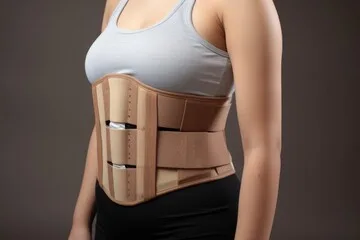
Standing for extended periods can take a serious toll on your back, leading to discomfort, fatigue, and long-term health issues. Whether you work in retail, healthcare, manufacturing, or in the cruise line, like I did, which requires prolonged standing, proper back support is essential for maintaining comfort and preventing injury. Here’s a comprehensive guide to the best back support solutions for those who spend hours on their feet.
Understanding the Impact of Prolonged Standing
As an Amazon Associate, I earn commission from qualifying purchases of no additional cost to you. Thank you.
Prolonged standing places continuous pressure on your spine, straining lower back muscles, ligaments, and discs. This can cause pain, stiffness, and poor posture as fatigue develops. Recognizing these challenges is key to finding effective solutions such as identifying the best back support for long-standing. Don’t ignore the warnings; the earlier you start working on these symptoms, the easier they will be to combat.
Supportive Footwear: Your Foundation
The foundation of good back support starts with your feet. Wearing proper footwear is crucial for maintaining spinal alignment and reducing back strain. Look for shoes with excellent arch support, cushioned insoles, and shock-absorbing soles. Avoid high heels or completely flat shoes, as both can throw off your natural posture. Many professionals specialize in work shoes designed for standing occupations, which often feature ergonomic designs and superior cushioning. Consider investing in custom orthotic inserts if you have specific foot issues or need additional support. These inserts can correct alignment problems that travel up through your legs and affect your back. Replace your work shoes regularly, as worn-out footwear loses its supportiveness.
Cushioning Your Workspace
If you stand in one location for extended periods, anti-fatigue mats are game changers. These specially designed mats feature cushioned surfaces that encourage subtle movements in your leg muscles, promoting better circulation and reducing the static load on your spine. The main purpose of these mats is to absorb shock and reduce pressure on your joints and back. Choose mats with adequate thickness (typically three-quarters to one inch) and made from high-quality materials that won’t compress over time. Position them in areas where you stand most frequently, whether at a workstation, cash register, or standing desk.
Lumbar Support Belts and Braces
Lumbar support belts provide external support to your lower back muscles and help maintain proper spinal alignment. These belts work by gently compressing the abdomen, which increases intra-abdominal pressure and reduces the load on your spine. They also serve as a reminder to maintain good posture throughout the day. When selecting a lumbar support belt, look for adjustable options that fit comfortably without restricting breathing or movement. Breathable materials are essential for all-day wear. However, don’t become overly dependent on these devices—use them as tools to support good posture habits rather than as permanent crutches.
Posture Correctors and Ergonomic Aids
Posture correctors https://amzn.to/3ZlIxX4, which typically wrap around your shoulders and upper back, can help train your body to maintain proper alignment. These devices gently pull your shoulders back, preventing the forward slouch that commonly develops during long-standing periods. While they shouldn’t be worn constantly, using them during part of your shift can help reinforce good posture habits.
Movement and Positioning Strategies
The best back support isn’t always something you wear—sometimes it’s how you move. Incorporate regular position changes and simple exercises into your routine. Shift your weight from one foot to the other, take brief walking breaks when possible, and perform gentle stretches targeting your back, hips, and legs. Consider using a footrest or small platform to periodically elevate one foot, which helps relieve pressure on your lower back. Alternating which foot is elevated every few minutes can provide significant relief during long-standing periods.
Core Strengthening: Internal Support
long-standingBuilding strong core muscles provides natural, internal back support that no external device can match. A strong core stabilizes your spine and helps you maintain proper posture with less effort. Incorporate exercises like planks, bridges, fast long walks, and gentle yoga into your routine outside of work hours. Even a few minutes of daily core work can make a noticeable difference in your comfort level during long-standing shifts.
Creating Your Support System
The most effective approach to back support combines multiple strategies. Start with proper footwear and anti-fatigue mats as your foundation. Add a lumbar support belt if needed, especially during particularly long shifts. Focus on maintaining good posture, taking movement breaks, and strengthening your core muscles over time. Listen to your body and adjust your support system as needed. What works for me may not work for you, so don’t hesitate to experiment with different combinations until you find what provides the best relief. When I got injured on the cruise line, the physiotherapist recommended this book, https://amzn.to/3NYZ14R, which helped a lot. With the right support system in place, you can stand strong throughout your workday while protecting your back health for years to come. After work, when you are relaxing, make sure that your back is well supported for the whole time. Read more: https://www.homecleanfood.com/rid-back-pain-with-healthy-foods-and-a-few-simple-exercises/27/