The Ultimate Guide to Proper Fridge Organization: Top-Shelf Ready-to-Eat Items, Bottom-Shelf Raw Meats, and Optimized Crisper Drawers for Maximum Freshness and Safety Discover the essentials of proper refrigerator storage to keep your food both fresh and safe.
This page contains Amazon affiliate links. If you choose to make a purchase after clicking a link, I may receive a commission at no additional cost to you. Thank you.
Benefits of proper refrigerator storage
However, when I started moving out and living alone, I learned how important it is to keep a well-organized refrigerator to keep things fresh and minimize food waste. For maximum freshness and safety, correct storage in your refrigerator is key. As we may know that clear writing with a solid structure always wins, but did you know that one of the key ways to streamline your kitchen is to keep your refrigerator organized? And in this article, I will outline all tips for proper refrigerator storage, so you can save money by reducing spoilage.
The Chilling Zones of Your Refrigerator
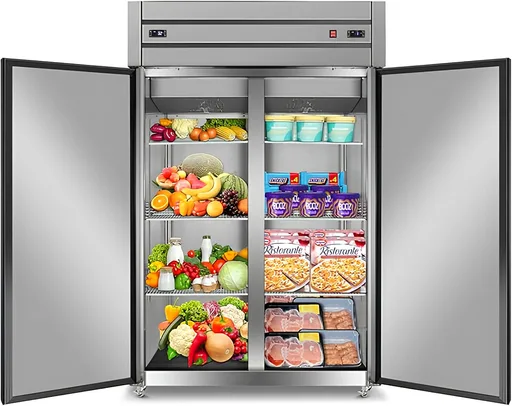
Refrigerators are not just cold boxes; they have distinct zones that keep different temperatures. Learning about your zones is important so that you can store food correctly. Here’s a breakdown for proper refrigerator storage:
The top shelves are usually the warmest part of the fridge, so they’re good for drinks, ready-to-eat foods and leftovers. This is where I usually put juice, soda and takeout containers. It’s also ideal for things that are not temperature-sensitive.
The middle shelves have an even temperature and are good for dairy products, eggs, and other items that require a stable temperature. This is where I always keep my milk, cheese, and yogurt fresh!
The bottom shelves are the coldest part of the fridge. This is where I keep raw meat, poultry, and fish (ideally in a separate bin so the juices don’t cross-contaminate), Storing these items properly is key to making sure they remain safe to eat while maintaining proper refrigerator storage techniques.
Crisper drawers
These drawers are intended to hold fruits and vegetables at proper humidity levels. For proper refrigerator storage of produce, I usually segregate my produce for optimal freshness—one drawer for fruits, the other for vegetables. This stops ethylene gas from going bad too soon with my veggies.
The door is the warmest area of the fridge, hence not a suitable storage space for perishable items. I generally store condiments, salad dressings, and other products that can tolerate temperature fluctuations to some extent.
With an understanding of the various zones of a refrigerator, we can now explore some best practices for proper refrigeration storage optimization. Additionally, consistently applying proper refrigerator storage methods will help with freshness and food safety.
Just like we edit our drafts for clarity and coherence, so too should we edit our refrigerator. Regularly clearing out expired and spilled items helps keep a hygienic environment, something imperative for food safety. I would recommend cleaning your fridge on a monthly basis.
Use Clear Containers
Clear containers come in handy for visibility and organization. Incorporating proper refrigerator storage practices, leftovers and prepped ingredients should be stored in clear glass containers so I can see what’s stored. This reduces food waste and enhances convenience.
Labeling is crucial. I always date the containers so you know how old the mix is. This single practice can save your future self from the dreaded mystery leftovers that lurk at the back of the fridge.
As tempting as it is to pack our refrigerators to the brim, overstuffing can inhibit airflow and cause uneven temperatures. I always make sure there’s enough space for air circulation, which in turn helps keep a more even temperature throughout the fridge for proper refrigerator storage.
Use Thermometers
Purchasing an internal refrigerator thermometer from Amazon will help track the temperature more accurately than with the built-in gauge. The recommended refrigerator temperature is 37°F (3°C). I check mine often to make sure it’s running smoothly, following proper refrigerator storage standards.
Stock using a First In, First Out system FIFO to reduce food waste. I always put the older ones in the front and the newer ones in the back, which is how I make sure that I use the older ones first. We all mean well with refrigerator storage, but it’s easy to fall into common traps.
Storing Hot Foods
Hot foods placed directly into the fridge can increase the overall temperature and may cause other foods to spoil. To avoid mishaps, proper refrigerator storage must be considered and leftovers should cool to room temperature before refrigerating them.
Exposed food can pick up smells and lose moisture. I always place lids or plastic wrap over my leftovers to preserve their quality.
We tend to ignore the freezer as a storage space. Many leftovers, and things that are near their use-by dates, I freeze, so they last longer.
Using AI to Help with Food Storage
AI is already being used to optimize our kitchen practices as we become more interlaced with technology. For anyone seeking proper refrigerator storage solutions, AI can assist with organizing, tracking, and maximizing food safety. I am not an expert on AI, and my training only includes data from the USPH. I am also ServSafe certified, but I can see how it could help us organize our food storage. Here’s how AI can help:
AI-enabled smart refrigerators are capable of keeping track of food inventory, the ingredients in the refrigerator, suggesting recipes based on the available ingredients, and alerting users when particular items are getting closer to their expiry date. Though these appliances often have a large price tag, they can help save time and limit food waste over time. https://amzn.to/4meUIzm
Best Practices for Storing in the Refrigerator
Proper refrigerator storage is one of the most significant elements in our lives. Know your zones and best practices, and avoid common mistakes that will keep your fridge organized and efficient. Remember, new technology, like AI and mobile apps, can also improve how we store our food. By taking this advice to our refrigerator, we’re sure to keep our food fresh and our lives a little easier and healthier.
Read more:https://www.homecleanfood.com/make-leftovers-safer-to-consume/27/